
F1 Car
Technology
Power units delivering 1,000+ HP. Tyres operating at 120°C. Carbon fibre surviving 52G impacts. The engineering inside every F1 car, explained.
The Power Unit
The Engine
The current F1 power unit (2014–2025) is a 1.6L turbocharged V6 engine with a 90° bank angle, DOHC configuration. Alone, the internal combustion engine produces approximately 600–700 HP. But the complete power unit system combines this with two motor generator units.
MGU-K: Kinetic Recovery
The Motor Generator Unit – Kinetic recovers energy under braking and deploys it as additional power (up to 120 kW / 161 HP) to the rear wheels. Drivers control deployment — a crucial tactical tool in racing.
MGU-H: Heat Recovery (2014–2025)
The Motor Generator Unit – Heat recovers energy from exhaust heat via the turbocharger. It can either store energy in the battery or use it to pre-spin the turbo, eliminating turbo lag. This complex system is removed from 2026.
Thermal Efficiency
The combined system achieves over 50% thermal efficiency — meaning more than half of the energy in the fuel becomes useful mechanical power. A typical road car engine achieves 35–40%. This makes the F1 power unit the most thermally efficient internal combustion engine ever made.
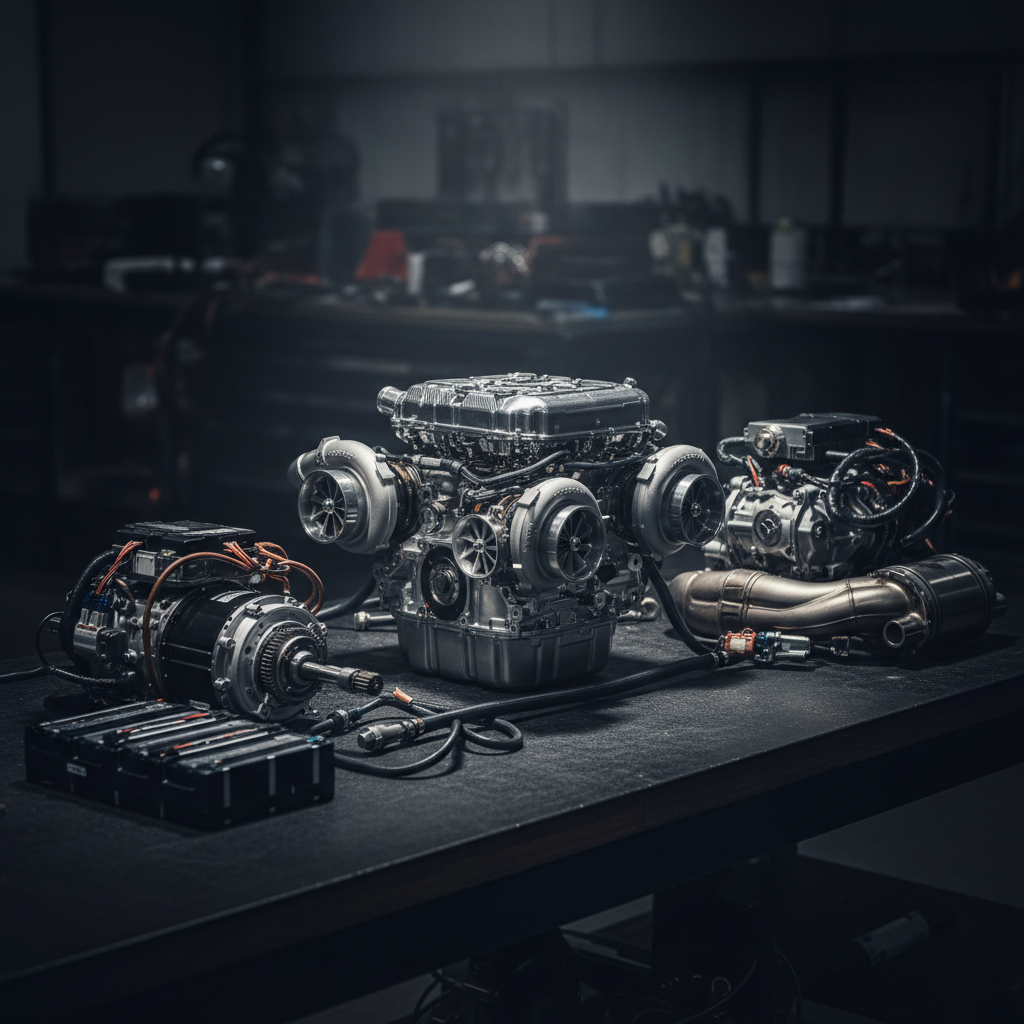
Photo: Unsplash — Royalty-free licence
Aerodynamics
How Downforce Works
Downforce is aerodynamic force pushing the car into the track — the opposite of lift on an aircraft wing. More downforce = more grip in corners, but also more drag on straights. Teams spend hundreds of millions balancing this trade-off.
Ground Effect (2022–2025)
Venturi-shaped tunnels under the floor accelerate airflow, creating a low-pressure zone that literally "sucks" the car to the track. The floor generates 60–65% of the car's total downforce — more than the wings combined.
DRS: Drag Reduction System (2011–2025)
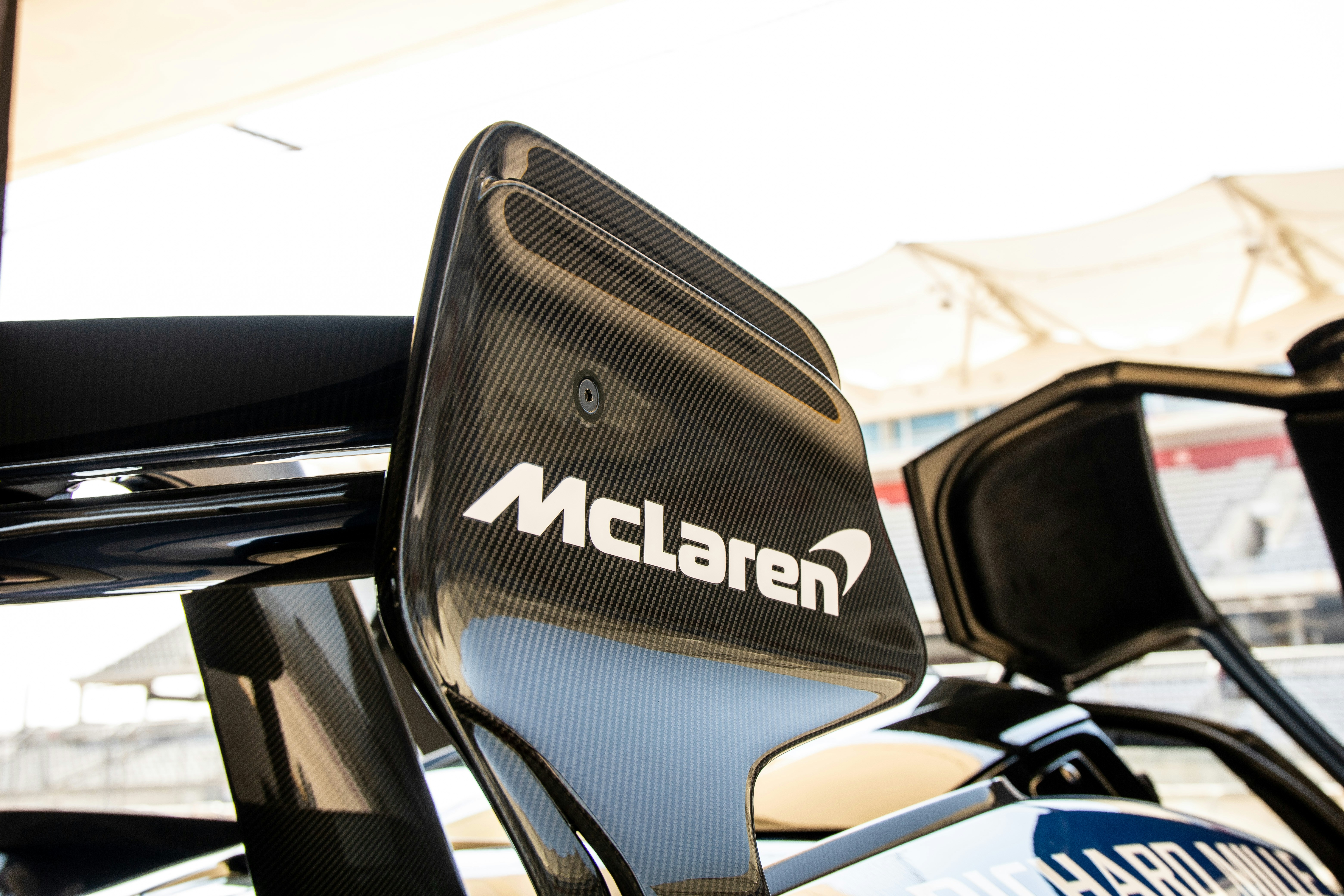
DRS allows the rear wing's movable flap to open on designated straights, reducing drag and adding approximately 10–15 km/h of top speed. It can only be used when within 1 second of the car ahead — a controversial but effective overtaking aid.
2026: Active Aerodynamics
DRS was replaced in 2026 by fully Active Aerodynamics. Both front and rear wing elements automatically adjust between Z-mode (high downforce, corners) and X-mode (low drag, straights). Unlike DRS, this is available to every driver on every lap — not just when within 1 second of a rival. The system fundamentally changes the nature of overtaking and race strategy, making it easier to follow closely through corners while maintaining competitive straight-line speeds for all drivers.
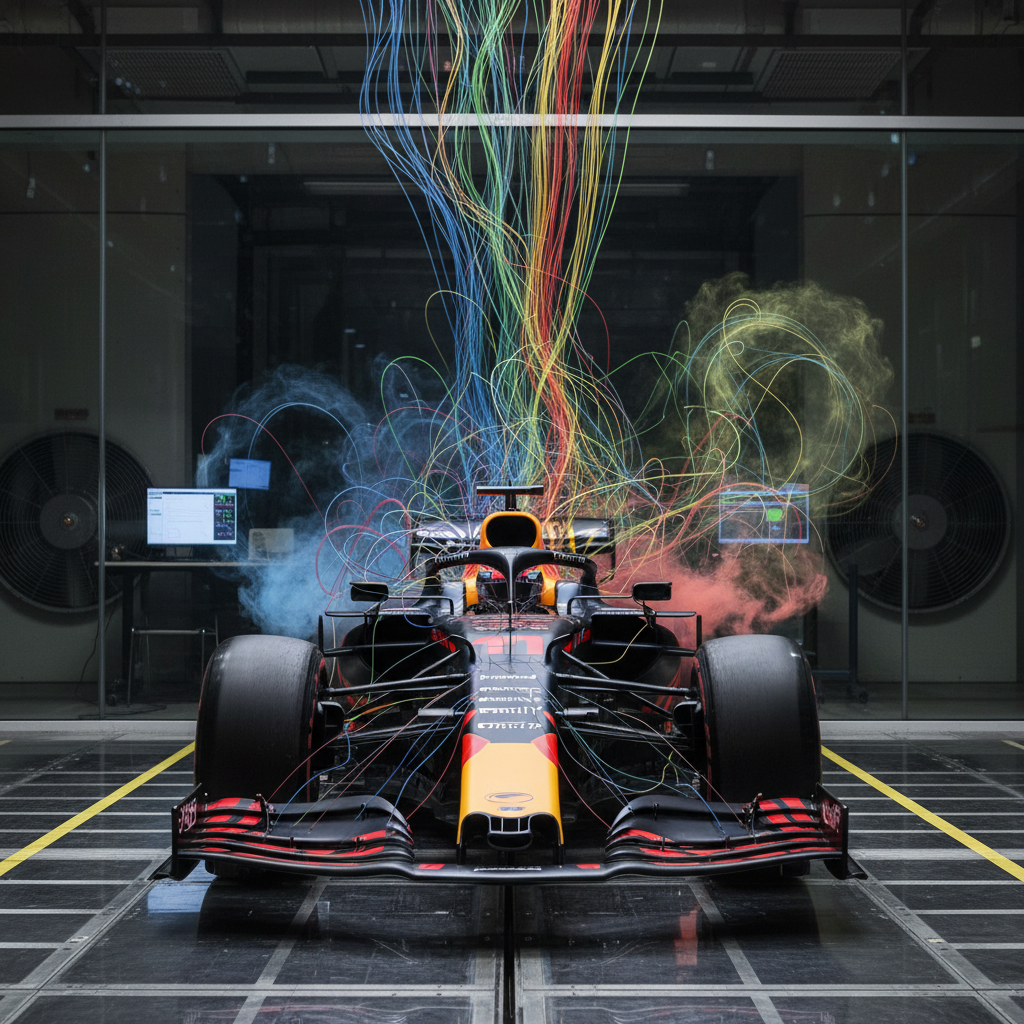
Photo: Unsplash — Royalty-free licence
The Chassis
Carbon Fibre Monocoque
The chassis is a carbon fibre monocoque — a single-shell structure that forms both the body and the structural backbone of the car. It weighs just 35–40 kg alone, yet is strong enough to protect the driver in severe accidents.
Crash Testing
The FIA requires 18 separate crash tests before any car can compete. The monocoque must withstand a 52G impact without structural failure. Teams cannot race until every test is passed.
The Halo
Mandatory since 2018, the Halo is a titanium protective bar around the cockpit opening rated to withstand the static load of a double-decker bus — approximately 12 tonnes. Initially controversial, it has since saved multiple drivers' lives including Romain Grosjean's 2020 Bahrain fire and Charles Leclerc's 2022 British GP collision.
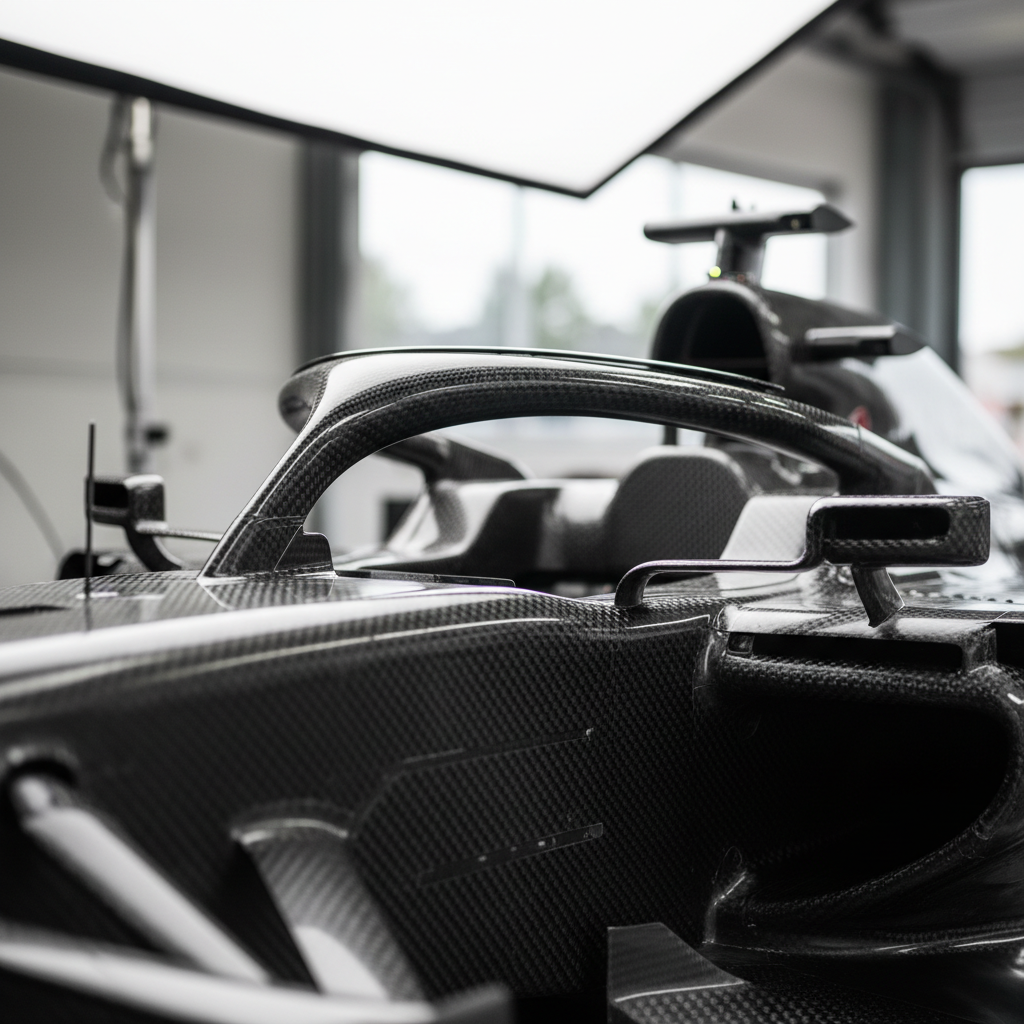
Photo: Unsplash — Royalty-free licence
Tyres
Pirelli: Sole Supplier Since 2011
Pirelli has been the exclusive tyre supplier to Formula 1 since 2011. For 2025, six dry-weather compounds exist — C1 (hardest) through C6 (softest). Teams select from C3, C4, and C5 at most events, with harder or softer compounds for specific circuits.
Operating Temperature
F1 tyres must reach an operating window of 80–120°C to function correctly. Too cold: no grip. Too hot: rapid degradation. Managing tyre temperatures through driving style, brake bias, and car setup is a critical race skill.
Forces on Tyres
In high-speed corners, forces exceeding 6× the car's weight act on the tyres. At 320 km/h, each tyre rotates approximately 2,000 times per minute. The 18-inch rims introduced in 2022 use lower-profile tyres that are more sensitive to temperature management.
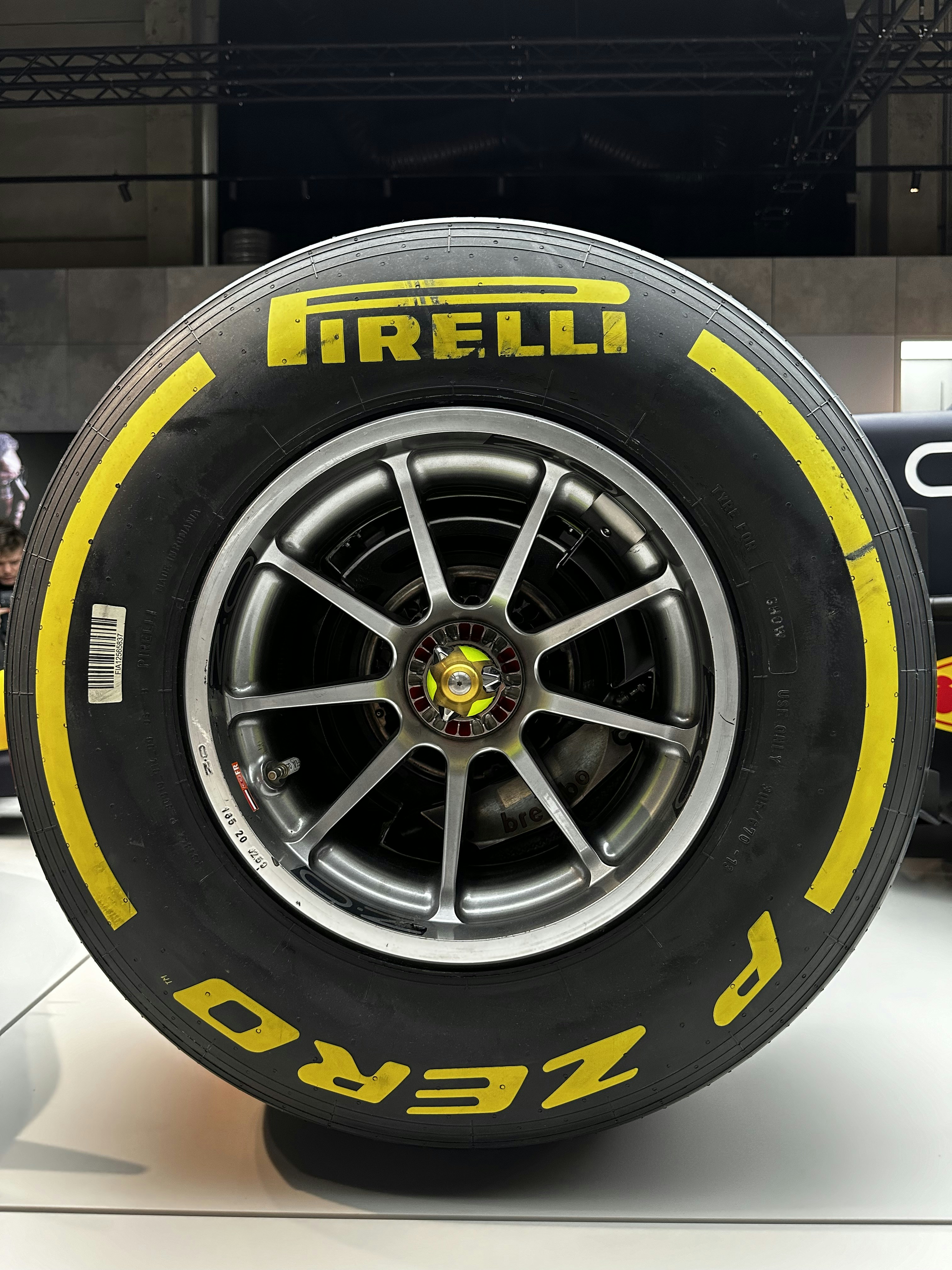
Photo: Unsplash — Royalty-free licence
Data & Electronics
Real-Time Data
Each F1 car transmits 1.1 million data points per second to the pitwall in real time. 150–300 sensors monitor every system simultaneously: tyre temperatures, brake temperatures, fuel flow rate, suspension travel, G-forces, engine vitals, and GPS positioning.
FIA-Standard ECU
All teams use the same FIA-mandated Electronic Control Unit (ECU), supplied by McLaren Applied. This prevents teams from using fully automated gearboxes or traction control systems that would eliminate driver skill. The ECU controls energy recovery and deployment.
Driver Workload
During a race lap, drivers manage over 20 separate systems via the steering wheel: brake bias, engine mode, energy deployment, differential settings, DRS, pit limiter, and more. A modern F1 driver is simultaneously an elite athlete and a systems engineer.
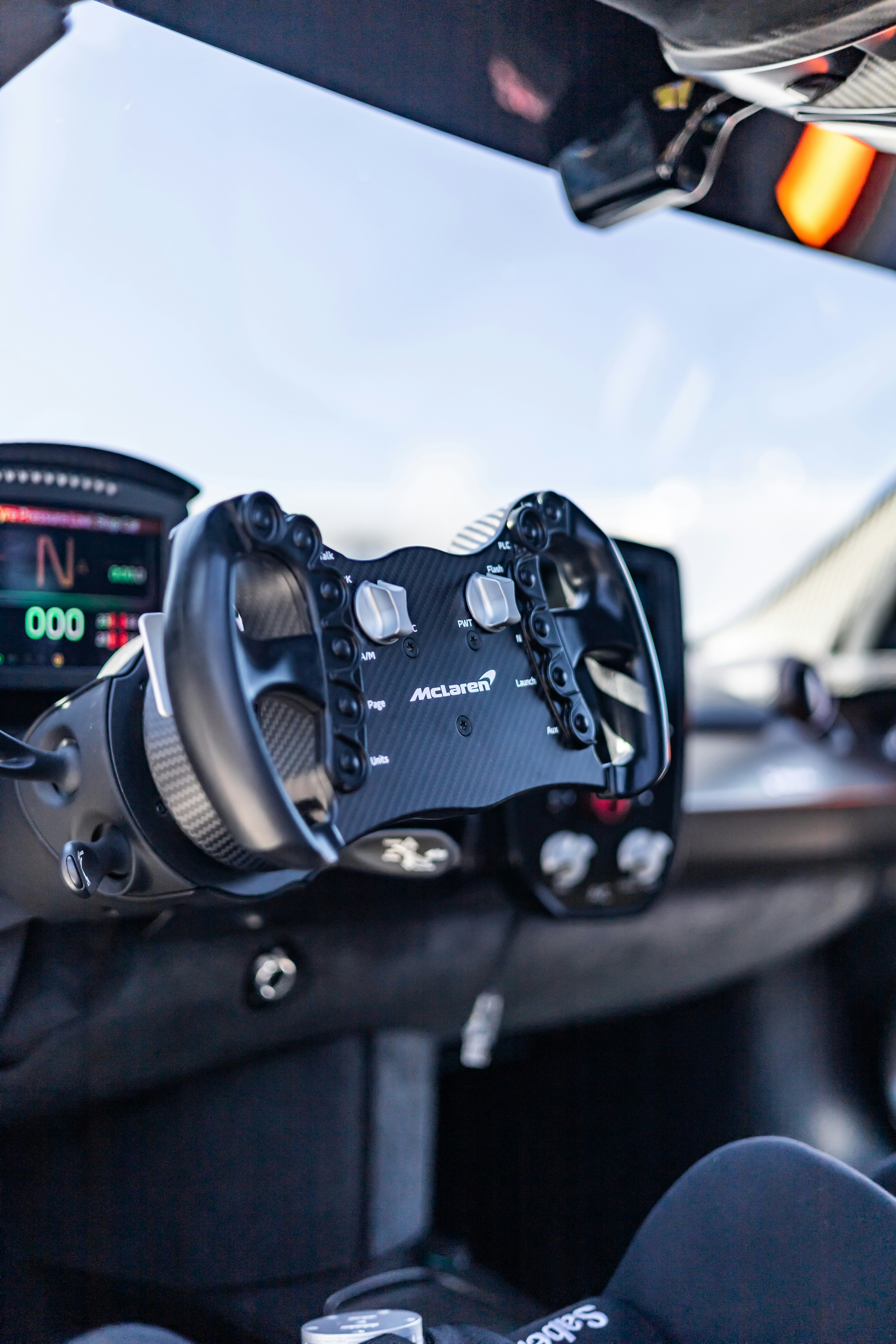
Photo: Unsplash — Royalty-free licence
Safety Systems
The Halo (2018+)
The titanium Halo device has been mandatory since 2018. It has demonstrably saved lives — most notably Romain Grosjean in Bahrain 2020, where the Halo deflected a barrier that would otherwise have entered the cockpit.
Survival Cell
The carbon fibre monocoque forms a survival cell around the driver. In the event of a crash, the cell is designed to remain intact while the rest of the car absorbs energy through controlled deformation.
Driver Safety Equipment
HANS device (Head and Neck Support) prevents whiplash. FIA-spec helmet must withstand penetration from a 3kg steel spike. Race suit is multi-layer Nomex fabric rated to withstand 800°C for 12 seconds. All this weighs approximately 7 kg.
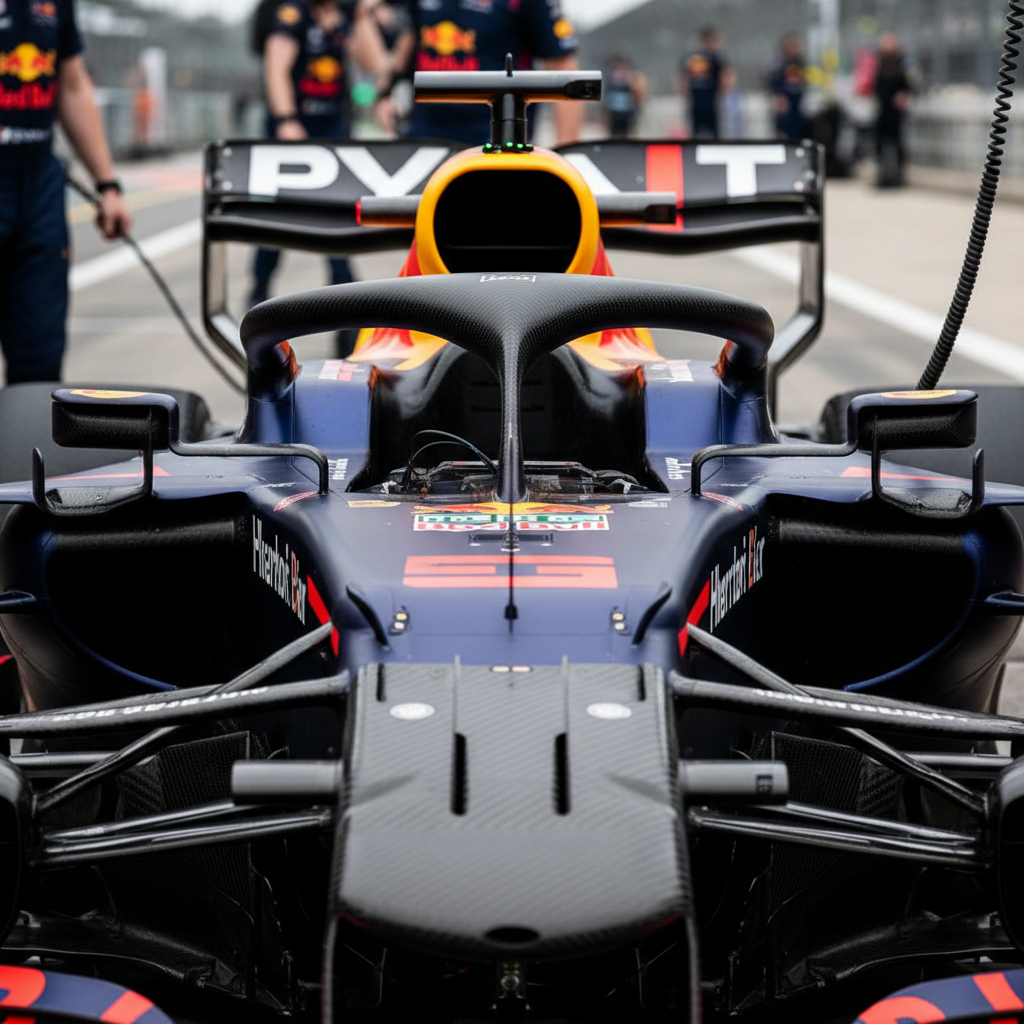
Photo: Unsplash — Royalty-free licence
2026: The New Era
What Changes in 2026
The 2026 regulations represent the biggest rule change in F1 history — new power units, new aerodynamic philosophy, new fuel, and smaller, lighter cars. Every team must build a completely new car.
New Power Unit
The MGU-H is eliminated — replaced by a vastly more powerful MGU-K delivering 350 kW (up from 120 kW). The power split is near 50/50 between internal combustion and electrical. All cars use 100% Advanced Sustainable Fuel — made from carbon capture, municipal waste, and non-food biomass.
Active Aerodynamics
DRS is replaced by Active Aero. Front and rear wing elements automatically adjust between Z-mode (high downforce, corners) and X-mode (low drag, straights). Available to every driver, every lap. The ground-effect floor tunnels are replaced by a flatter floor design.
Smaller, Lighter Cars
Maximum wheelbase reduces from 3,600mm to 3,400mm. Maximum width reduces by 100mm to 1,900mm. Minimum weight target of 768 kg — 32 kg lighter than 2025. Cadillac joins as the 11th team, bringing the grid to 22 cars for the first time since 2016.
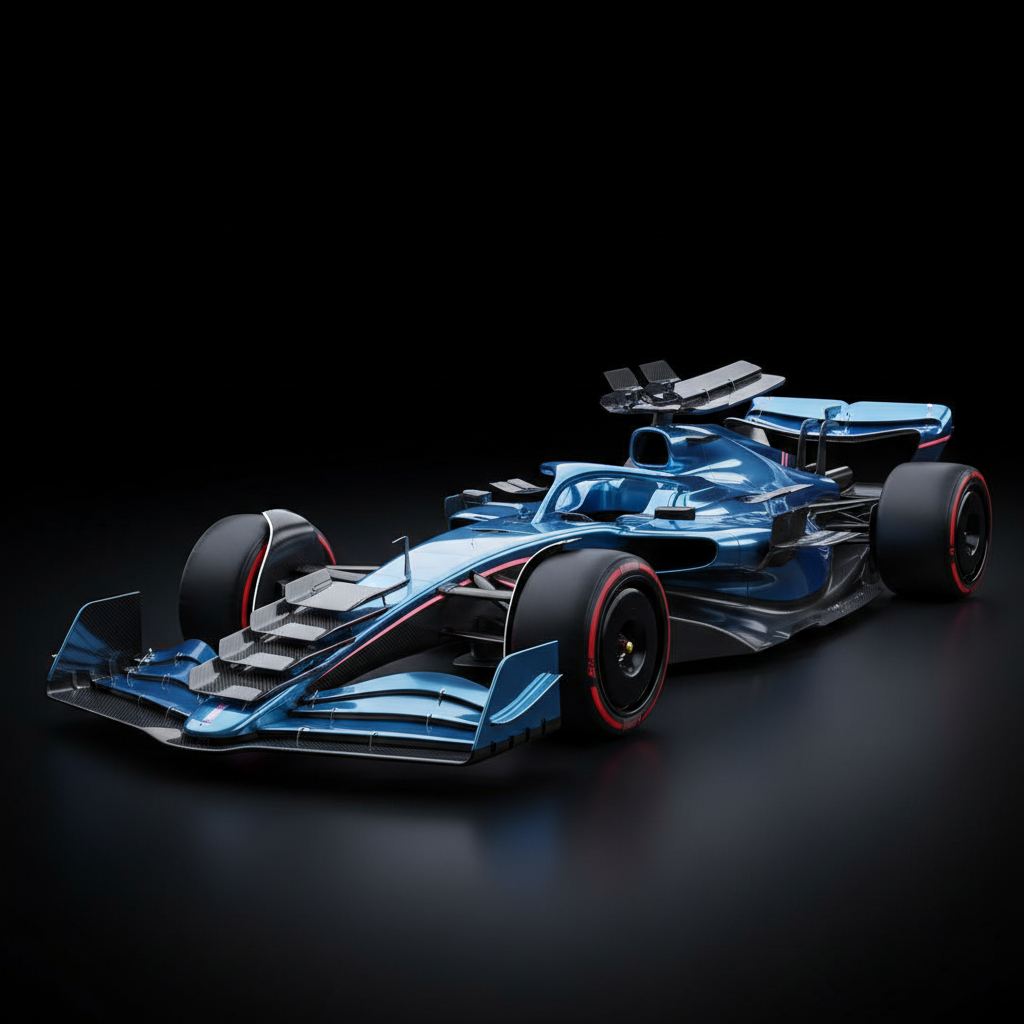
Photo: Unsplash — Royalty-free licence
Explore the Rules Behind the Technology