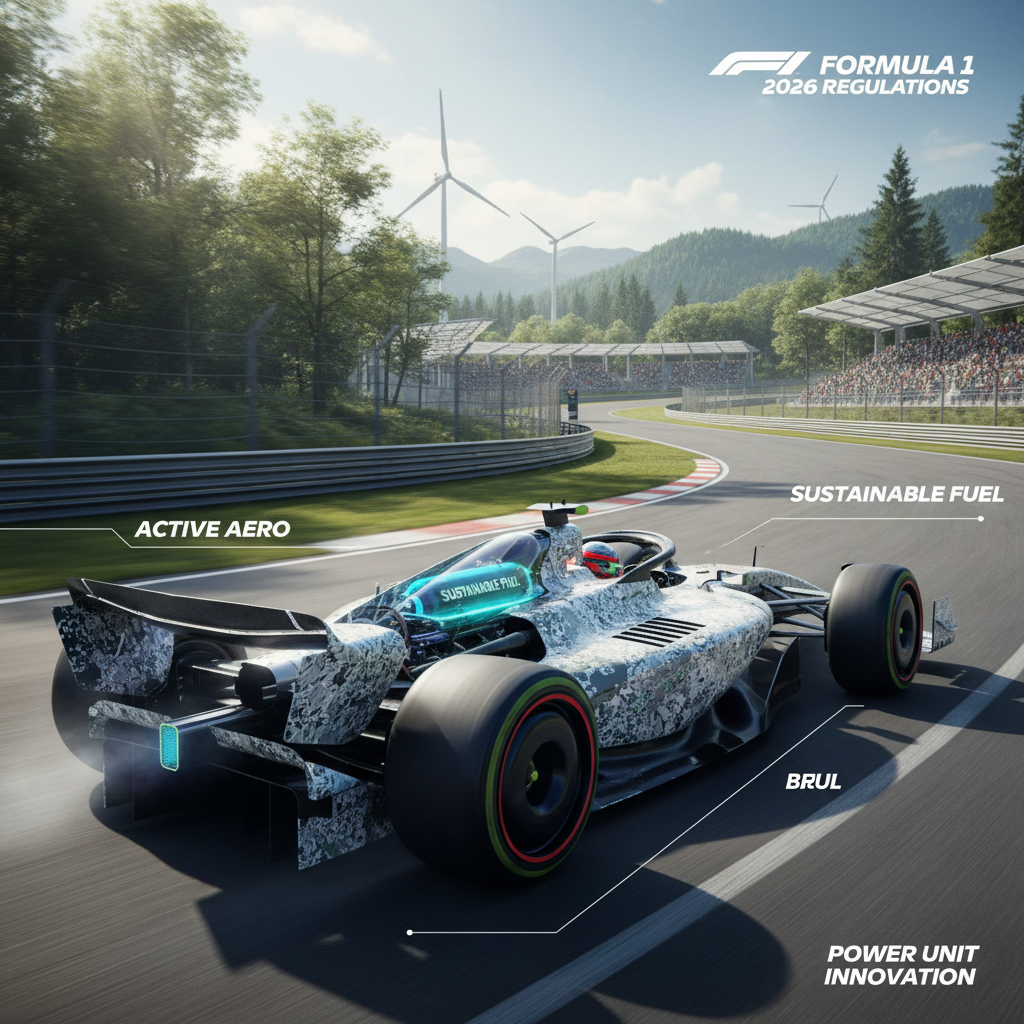
Active aero replaces DRS. MGU-H eliminated. Near 50/50 power split. 100% sustainable fuel. Cadillac joins. The biggest rule change in F1 history, explained.
The 2026 Formula 1 regulations represent the most comprehensive overhaul of the sport's technical rules since the introduction of the hybrid power unit in 2014. Every major system on the car is changing: the power unit, the aerodynamics, the dimensions, and the fuel. New manufacturers are joining, a new team is entering, and the financial regulations are being restructured. This guide explains every change in plain English — what it is, why it's happening, and what it means for the racing.
Why Are the 2026 Regulations Changing Everything?
The 2026 regulations were developed over several years through a collaborative process between the FIA, Formula 1 Management, and the teams. The primary goals were: attracting new manufacturers (Audi and Ford/Red Bull Powertrains), reducing power unit complexity and cost, improving the racing spectacle, advancing sustainability credentials, and resetting the competitive order after a period of dominance by a small number of teams.
The timing of the 2026 regulations was also driven by the natural end of the current power unit homologation period. The 2014–2025 power unit regulations had been in place for 12 years — an unusually long period of stability. The 2026 regulations provide a clean-sheet opportunity for all manufacturers to develop new power units simultaneously, theoretically levelling the playing field.
The New Power Unit: MGU-H Out, More Electric Power In
The most significant technical change in 2026 is the redesign of the power unit. The MGU-H (Motor Generator Unit – Heat) is eliminated. This component — which recovered heat energy from the turbocharger exhaust gases — was extraordinarily complex and expensive to develop, and was seen as a barrier to new manufacturers entering F1. Its elimination simplifies the power unit significantly.
In place of the MGU-H, the electric motor (MGU-K) is significantly uprated. The 2026 MGU-K can deploy up to 350 kW (469 HP) of electric power — compared to 120 kW (161 HP) in the current regulations. This means the electric motor contributes approximately 50% of the total power output, creating a near 50/50 split between the internal combustion engine and the electric motor. The total power output remains approximately 1,000 HP.
| Specification | 2025 Power Unit | 2026 Power Unit |
|---|---|---|
| Engine | 1.6L V6 turbo | 1.6L V6 turbo (unchanged) |
| MGU-K output | 120 kW (161 HP) | 350 kW (469 HP) |
| MGU-H | Present | Eliminated |
| ICE/Electric split | ~60/40 | ~50/50 |
| Total power | ~1,000 HP | ~1,000 HP |
| Fuel | E10 (10% sustainable) | 100% sustainable fuel |
| Engine cap | $95M | $130M |
100% Sustainable Fuel: What Does It Mean?
From 2026, all Formula 1 cars must run on 100% sustainable fuel — meaning all energy content must come from non-fossil sources. This is a significant step up from the current E10 fuel (90% fossil, 10% sustainable ethanol). The sustainable fuel must still meet strict FIA specifications for composition, energy density, and performance characteristics.
The sustainable fuel can be produced from several sources: advanced biofuels (from agricultural waste, not food crops), synthetic fuels (produced using renewable electricity and captured CO2), and other non-fossil carbon sources. The FIA has worked with fuel suppliers to develop fuels that meet the performance requirements of F1 while being genuinely sustainable. This is part of F1's broader commitment to achieving net-zero carbon emissions by 2030.
Active Aero: DRS Is Dead, Long Live Active Aero
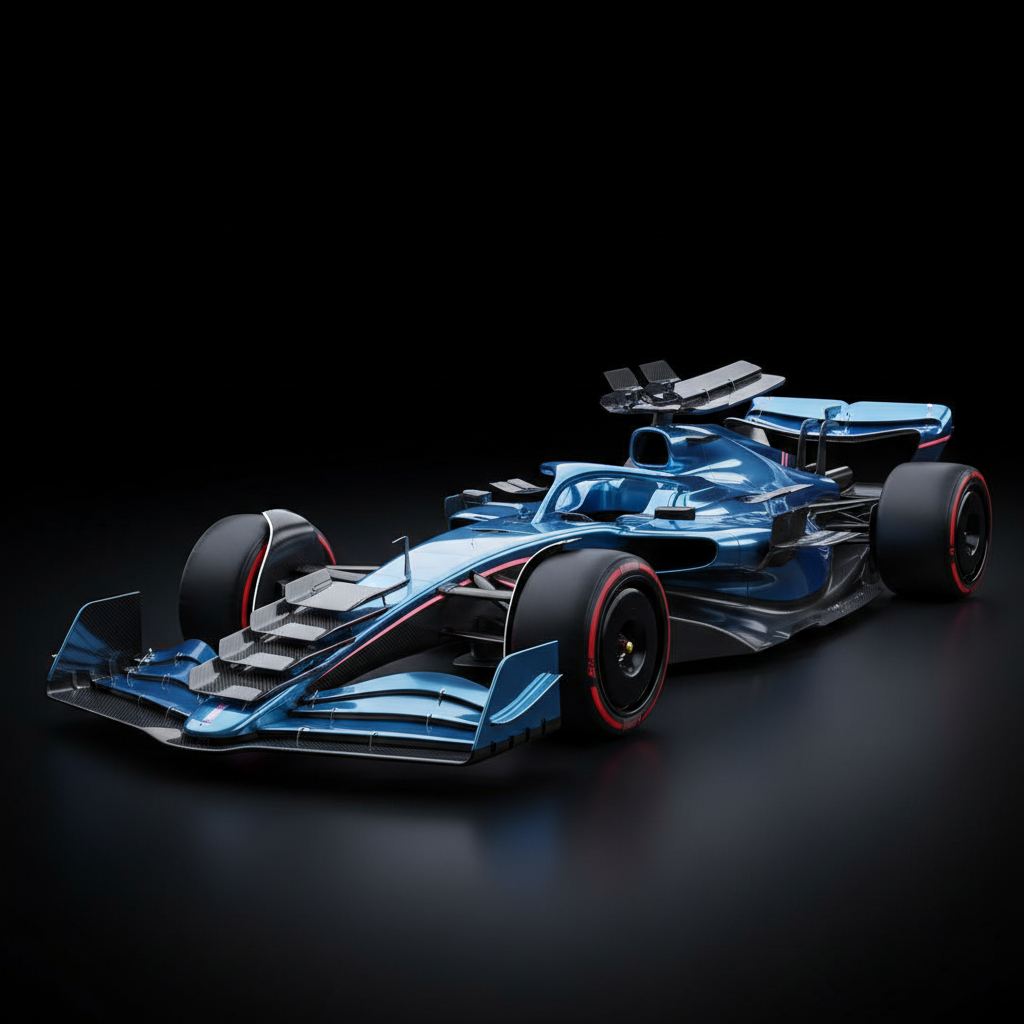
DRS (Drag Reduction System) — the movable rear wing element that drivers could open on straights to reduce drag and aid overtaking — is eliminated from 2026. It is replaced by a more sophisticated Active Aero system that automatically adjusts both the front and rear wings based on driving conditions.
The Active Aero system has two modes: Z-mode (high downforce, used automatically in corners) and X-mode (low drag, used automatically on straights). Unlike DRS, which was manually activated by the driver and only available when within one second of the car ahead, Active Aero operates automatically and is available to all cars at all times. This is intended to make overtaking more natural and less dependent on the artificial DRS mechanism.
The Active Aero system is also designed to address one of the key criticisms of the current regulations: that the cars are too large and heavy. The 2026 cars are smaller and lighter than the current generation, with a target minimum weight of approximately 768 kg (compared to 800 kg in 2025).
New Manufacturers: Audi and Ford Join F1
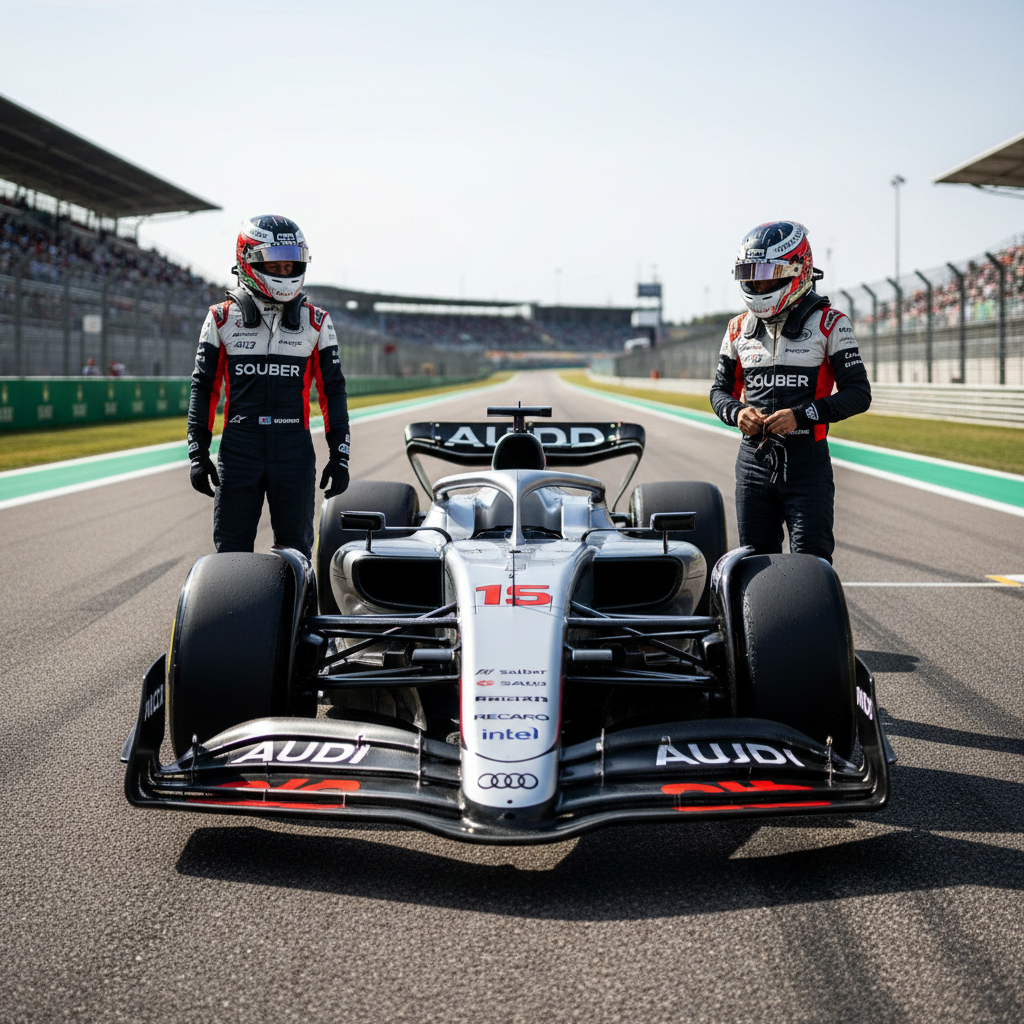
The 2026 regulations attracted two major new manufacturers to Formula 1: Audi and Ford. Audi is entering as a full works manufacturer, acquiring a stake in the Kick Sauber team (which will be rebranded as Audi F1 Team from 2026). Audi will develop its own power unit — the first German manufacturer to do so since BMW left F1 in 2009.
Ford is returning to F1 as a power unit partner with Red Bull Powertrains. Ford last competed in F1 as an engine supplier in 2004 (through Cosworth). The Ford-Red Bull partnership will develop a new power unit for the 2026 regulations, with Ford providing technical expertise and branding. This is a significant commercial coup for F1, bringing one of the world's most recognisable automotive brands back to the sport.
Cadillac: The 11th Team
Cadillac (General Motors) has been approved by the FIA to enter Formula 1 as the 11th team from 2026. The team — officially named Cadillac F1 Team — will be based in the United States and will initially use a customer power unit before developing its own. This is the first new team to enter F1 since Haas in 2016 and the first American-owned team since the 1960s. The addition of an American team is seen as strategically important for F1's growing popularity in the United States.
What the 2026 Changes Mean for Racing
The 2026 regulations are designed to reset the competitive order and create closer racing. The simultaneous introduction of new power units for all manufacturers means that no team has a multi-year head start in power unit development. The Active Aero system is intended to make overtaking more natural. The smaller, lighter cars should be more agile and exciting to watch.
However, history suggests that major regulation changes often create a period of dominance for the team that best interprets the new rules. The 2014 regulations created seven years of Mercedes dominance. The 2022 regulations initially created Red Bull dominance. Whether the 2026 regulations will create a more competitive field or simply a new dominant team remains to be seen.
Related Reading